Why Your Ant Queen Stopped Laying Eggs (And How to Fix It)
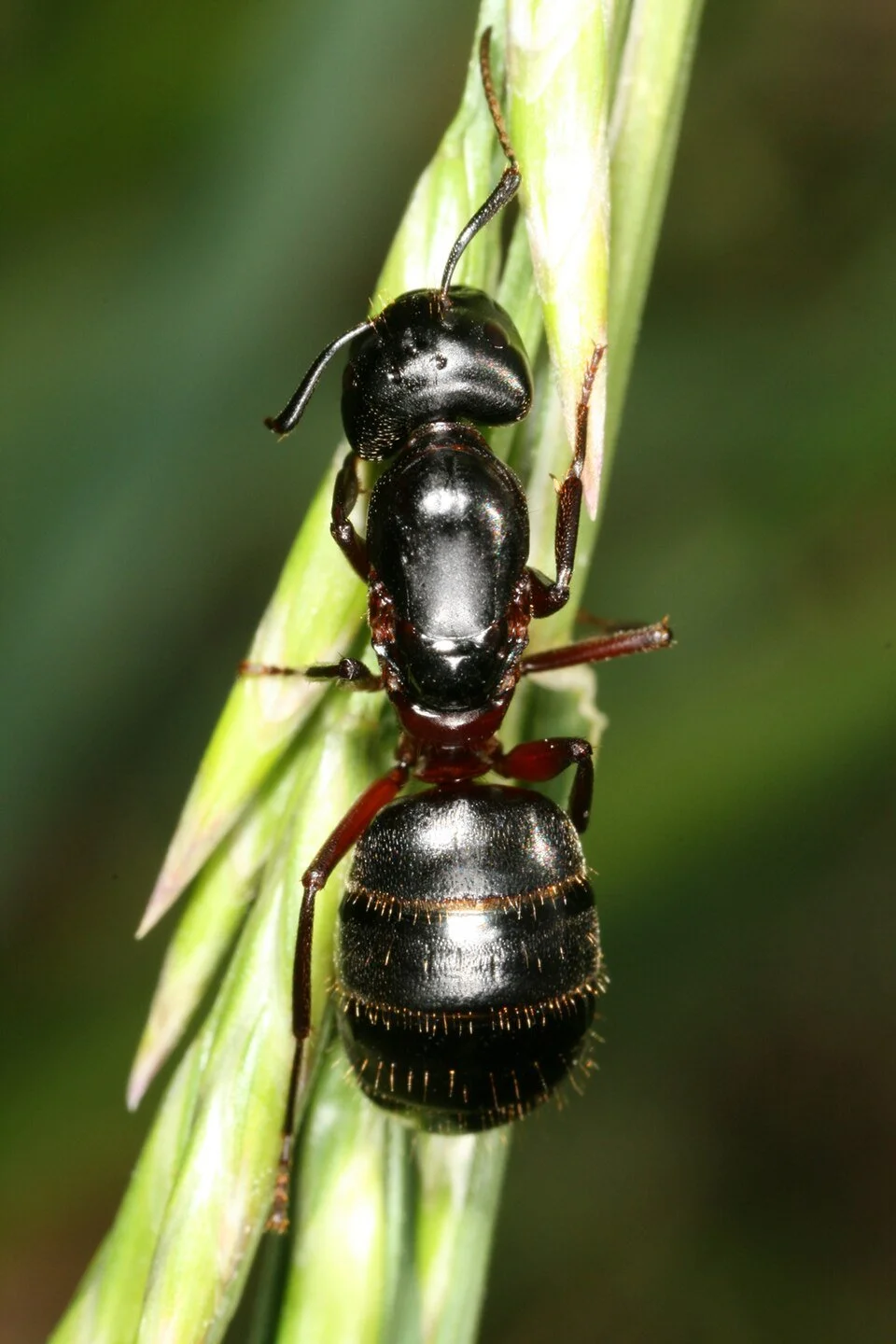
A beautiful carpenter ant queen about to start her new life.
You check on your colony one morning and something's wrong. The brood pile is shrinking. No new eggs. The queen is sitting still. Your first instinct is that she's dead — but before you give up, read this. In most cases, a queen that stops laying is fixable.
Here are the most common reasons it happens and what to do about each one.
1. The Nest Is Too Bright
Ant queens are extremely light-sensitive. If your nest gets direct sunlight or is under strong artificial lighting, the queen may go into a defensive shutdown — she stops laying to protect the brood. This is one of the most common mistakes new keepers make and one of the easiest to fix.
Fix: Cover your nest with a red film, a cloth, or move it to a dimmer location. Give her 48–72 hours. In most cases she'll resume.
One thing worth knowing: ants actively manage their colony's water reserves by exchanging humidity with their environment. In traditional cave-style nests with a lot of dead air space and dry ambient air, keeping humidity consistently above 50% is a real challenge — it can require almost daily adjustments to avoid desiccation stress on the queen and brood. This compounds lighting problems because you're constantly opening and disturbing the setup. Our nest design eliminates this — the geometry keeps humidity stable for 30+ days between maintenance windows, so the queen stays in a consistent environment and keeps laying.
2. Temperature Is Off
Most North American ant species need a warm zone of 82–89°F to lay consistently. Too cold and the queen slows down. Too hot and she shuts off entirely to protect the eggs from desiccation.
Fix: Check your nest temperature with an infrared thermometer. Adjust using a low-watt heat cable or heat mat set on one side of the nest only — always give the colony a thermal gradient so they can self-regulate.
3. She's In a Natural Diapause
Most temperate ant species — Camponotus, Pogonomyrmex, Formica — require a winter slowdown called diapause. If it's fall or winter and your queen has slowed or stopped laying, she may simply be following her biological clock. This is normal and healthy.
Fix: If it's between October and February, move the colony to a cool, dark spot (55–65°F) — a spare fridge on the warmest setting works well. Leave them for 2–4 months. In spring, warm them back up slowly and watch laying resume within 1–2 weeks.
4. She's Stressed From Disturbance
Queens that are moved, handled, or repeatedly disturbed will pause laying. If you've recently moved the nest, added a new section, or the enclosure was bumped or dropped, she's in stress mode.
Fix: Minimize activity around the nest area for 1–2 weeks. Normal care and feeding must continue — the colony still needs to eat — but avoid rearranging, adding sections, or any interaction that isn't mandatory maintenance. The less the nest environment changes, the faster she settles back in.
5. Nutrition Deficiency
A queen needs consistent protein to produce eggs. If your colony hasn't had adequate protein, the queen will slow or stop laying to conserve resources.
Fix: Offer fresh killed feeder insects every 3–4 days — fruit flies, small mealworms, or small crickets. Pair with a carbohydrate source like Red Ant Drank to keep energy levels stable. Give it 7–10 days.
6. The Queen Is Old or Failing
Ant queens can live 10–20+ years, but queens from wild-caught founding stock vary. If your queen is several years old and consistently producing fewer eggs over time despite good conditions, she may be at the end of her productive life. There is no fix for this — it's biology. The colony will decline with her.
When To Actually Worry
If you've ruled out all of the above and it's been more than 3 weeks with no eggs, no brood development, and the queen is unresponsive or being ignored by workers, the colony may be in terminal decline.
At that point: accept the colony is in terminal decline. Let the remaining workers live out their lifespan naturally — don't dismantle the setup prematurely, workers can live months longer. When the last worker is gone, start fresh with a new founding queen.
If you're not sure what you're dealing with, drop us a message at antopiausa.com. We've seen it all.
The colony isn't always gone. Most of the time it just needs time, darkness, and the right conditions.
— Vern, AntopiaUSA