The Rise of Ant Keeping: How Formicariums Became a Global Hobby
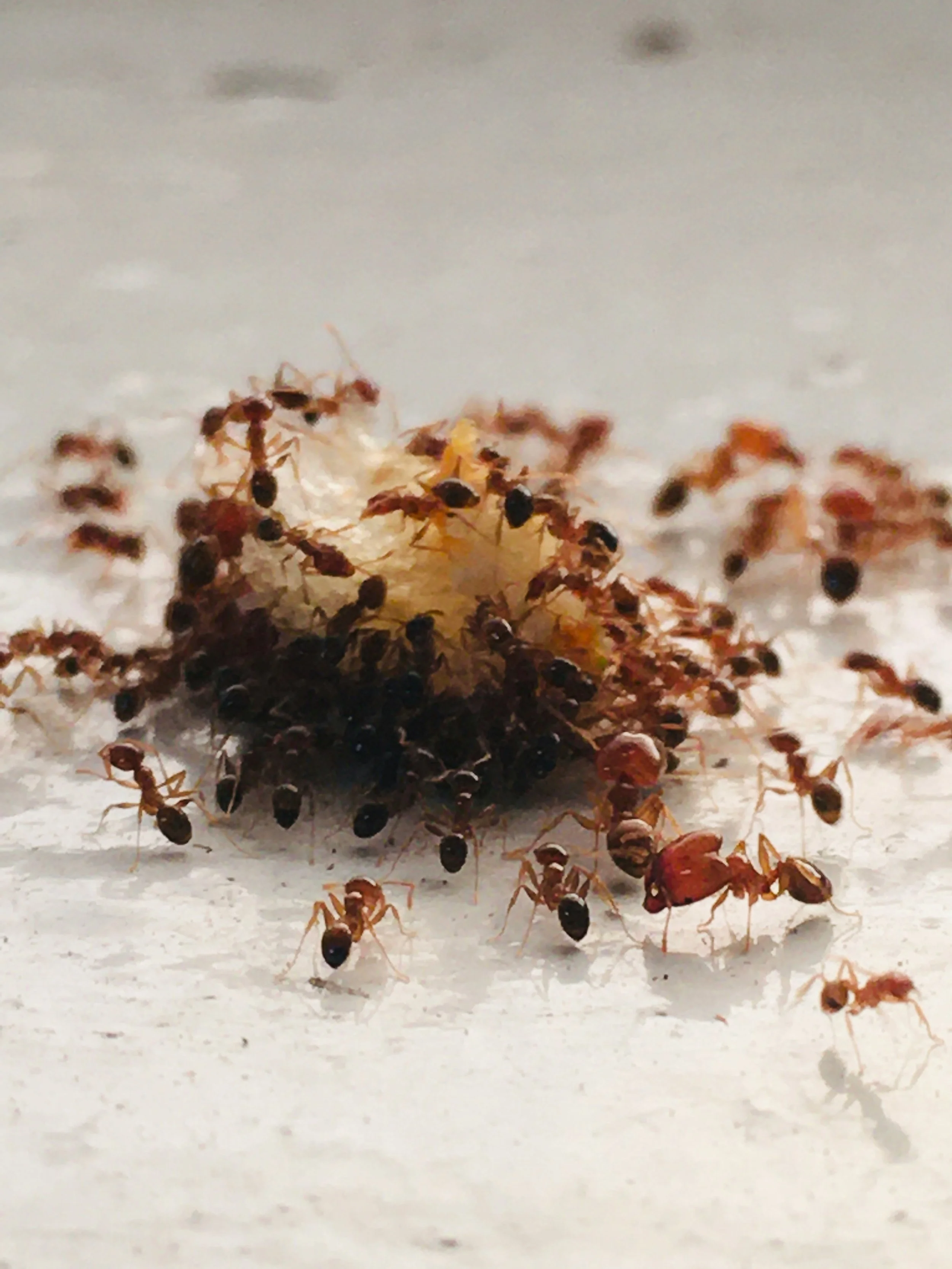
Big Headed ants(Genus: Pheidole) enjoying a snack :)
The Quiet Explosion: How Ant Keeping Became One of the World's Fastest-Growing Hobbies
It started with a YouTube video about fire ants planning an escape.
That video — posted by Filipino-Canadian creator Mikey Bustos under the channel AntsCanada — has now been watched over 41 million times. Bustos has amassed more than 4 million subscribers across 500+ videos documenting his ant colonies, their formicariums, and the strange, fascinating world of a hobby most people had never heard of. And he's not alone.
In the last decade, tens of thousands of people worldwide have quietly taken up ant keeping — the practice of housing live ant colonies in purpose-built formicariums and observing their behavior up close. The community spans continents, age groups, and backgrounds, and it is growing faster than almost anyone in the mainstream has noticed.
What Is a Formicarium?
A formicarium — sometimes called an ant nest, ant habitat, or ant farm — is an enclosure specifically designed to house a live ant colony. Modern formicariums have almost nothing in common with the toy ant farms of the 1950s. Today's versions are engineered with precision: acrylic or glass-walled chambers, humidity-controlled substrates, modular outworld connections, escape barriers, and ventilation systems that mimic natural nest conditions closely enough that queens will lay eggs within days of being introduced.
The evolution of the formicarium from novelty toy to serious hobby equipment is one of the more interesting design stories in the pet industry over the last twenty years. Materials have improved dramatically. 3D printing has allowed custom nest configurations. The gap between what a hobbyist can build at home and what a commercial manufacturer produces has narrowed significantly.
Who Is Keeping Ants?
The hobby is most concentrated in the United States, European Union, Australia, and China, with active communities on YouTube, Reddit, and dedicated forums exchanging species care guides, formicarium builds, and colony updates daily. Most ant keepers skew young — high school age and under make up the largest slice of the community — though the hobby has a significant adult following that tends to run deeper into the technical side of nest design and species selection.
The appeal is hard to dismiss once you understand it. An ant colony is one of the most complex biological systems observable at close range without specialized equipment. Worker castes, queen behavior, brood development, foraging patterns, territorial dynamics — all of it plays out in real time through the walls of a well-designed formicarium. It is, as more than a few keepers have described it, like having a living city on your desk.
When Scientists Started Paying Attention
What began as an online hobby has started producing genuine scientific value.
Cornell University entomologist and National Geographic Explorer Corrie Moreau has collaborated directly with hobbyist ant keepers, noting that the community has developed practical expertise that outpaces what researchers can produce in controlled lab settings. Her direct quote on the subject is striking: "The hobbyists are the ones who are successfully rearing up these colonies of thousands of ants, and I'm failing at it."
The U.S. Department of Agriculture now relies on ant keeper networks to help track invasive species populations. A 16-year-old keeper from Azerbaijan named Chingiz Shigayev has documented species behavior and published research that crossed into legitimate scientific literature. Platforms are being developed specifically to bridge the gap between the hobbyist community and professional myrmecology.
It is a rare case of a niche internet hobby producing real-world scientific infrastructure.
The Modern Ant Habitat Market
The commercial side of ant keeping has grown alongside the community. Purpose-built formicariums, live queen ants, established colonies, species-specific care supplements, and complete starter kits are now sold by specialty retailers across the United States and Europe. The category that once barely existed in the English-language market now supports dozens of dedicated businesses.
Buyers today are not purchasing the sealed sand-filled plastic rectangles of decades past. They are researching species, comparing nest designs, evaluating substrate materials, and selecting colonies based on behavioral characteristics. The average customer for a live ant colony and formicarium setup in 2025 is more informed than most people who walk into a pet store to buy a fish.
Why It Keeps Growing
The reasons people give for getting into ant keeping tend to cluster around a few themes: the meditative quality of watching colony activity, the low cost relative to other live animal hobbies, the genuine scientific interest in observing superorganism behavior, and — especially among younger keepers — the influence of online creators who made the hobby look genuinely compelling.
What drives retention is different. Keepers who stick with the hobby describe a long-term investment in specific colonies — watching a founding queen go from a single chamber to a multi-chamber nest over months or years. The formicarium becomes less of a tank and more of a project.
It is, by most measures, one of the stranger success stories in the modern pet hobby space. And by every indication, it is still early.